Since AWS launched its first South America Region in São Paulo (sa-east-1), Brazil has evolved from an emerging market footnote into a strategic hub for cl
 Editorial team
Azure for Enterprises: Architecture, AKS, and Multi-Cloud Strategy
Enterprise adoption of Microsoft Azure has shifted from experimental workloads to full-scale platform commitments.
GCP White Logo Usage Rules for Cloud Engineers
The Google Cloud Platform white logo appears on dark-themed monitoring dashboards, internal wikis, CI/CD pipeline visualizations, and multi-cloud architect
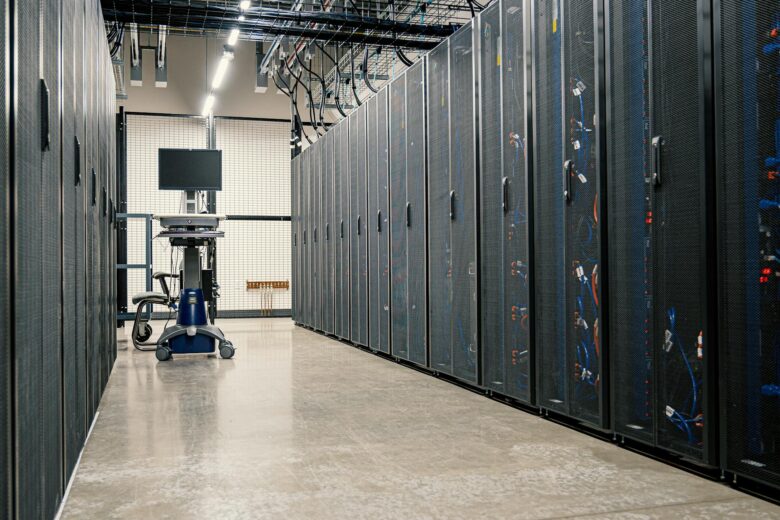
AWS Brazil Data Center Cooling: What Cloud Engineers Need to Know
Brazil’s tropical climate presents a distinct challenge for hyperscale data center operations: maintaining optimal server operating temperatures with high
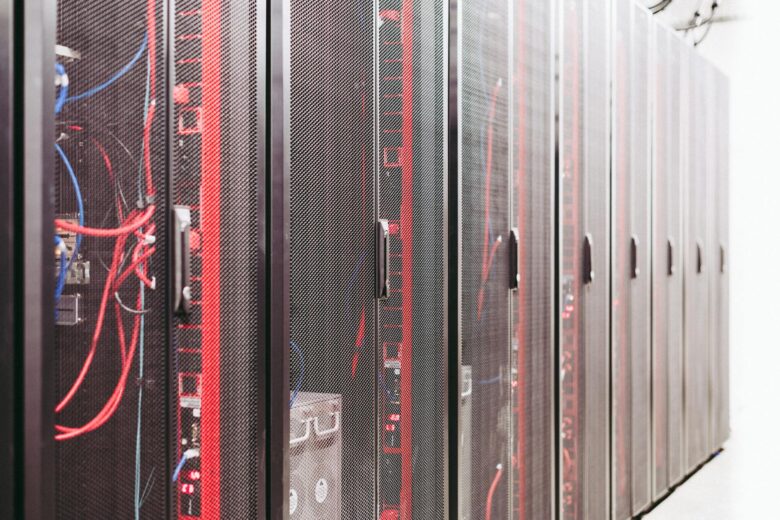
GCP vs Firebase: What Cloud Engineers Need to Know
Google Cloud Platform and Firebase are not competing products in the traditional sense — Firebase runs on top of GCP.
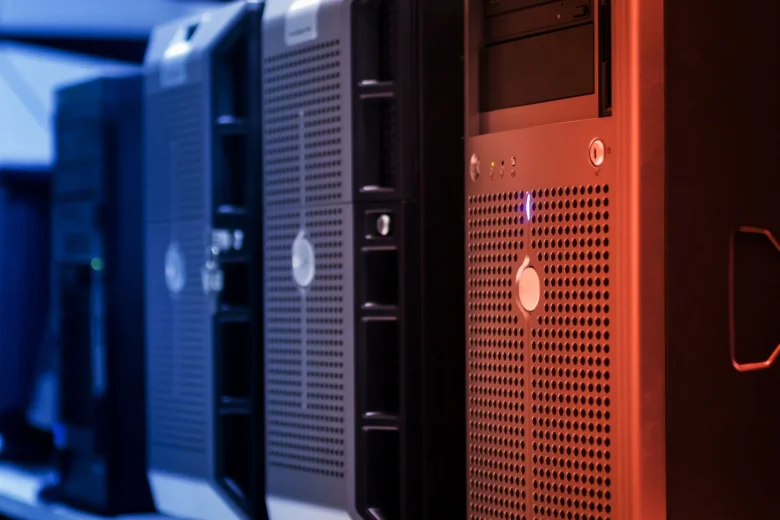
Kubernetes GPU Autoscaling: Why LLM Inference Stalls
GPU autoscaling on Kubernetes breaks for LLM inference because the Horizontal Pod Autoscaler cannot see accelerators and the node layer takes minutes to add one. The fix is a four-layer stack — DCGM exporter, Prometheus Adapter, HPA, and KEDA over Karpenter — because better GPU allocation sharpens placement without touching …

K8s GPU Clusters Waste 95% of Capacity — Top Teams Don’t
Production Kubernetes GPU clusters across AWS, GCP, and Azure average just 5% utilization — with CPU at 8% and memory at 20%. CPU overprovisioning jumped from 40% to 69% year over year. GPU prices are rising for the first time since 2006. The top-performing clusters sustain 49% GPU utilization, proving …

AI SRE vs Rule-Based Automation: The Agentic Shift
Rule-based automation fires on fixed threshold crossings and executes manually authored playbooks. When CPU exceeds 80%, the script restarts the pod. When latency breaches SLO, the circuit breaker trips. This works for known failure modes but collapses when signals conflict or when root causes span multiple subsystems. A traditional alert …
 Editorial team
DRA Killed the GPU Device Plugin: K8s AI Scheduling in 2026
NVIDIA’s DRA Donation Ends GPU Blindness At KubeCon Europe 2026 in Amsterdam, NVIDIA killed the GPU device plugin model by donating its Dynamic Resource Allocation (DRA) driver for GPUs to the Cloud Native Computing Foundation. That single act retires the device plugin that has made Kubernetes treat your H100 identically …

AI SRE Agents Resolve 11.4% of Real Incidents. Vendors
In IBM Research’s ITBench benchmark, agents built on state-of-the-art models resolved just 11.4% of realistic Site Reliability Engineering scenarios — Kubernetes environments with injected faults, full observability data, and a ReAct-style agent wired to logs, traces, metrics, and a shell. That same class of agent landed 25.2% on security operations …
DevOps Days Brasil: What Cloud Engineers Need to Know
DevOps Days Brasil has become the main technical gathering for platform engineers and SREs operating at scale in the Brazilian market. Here is what to expect and why it matters for cloud practitioners.
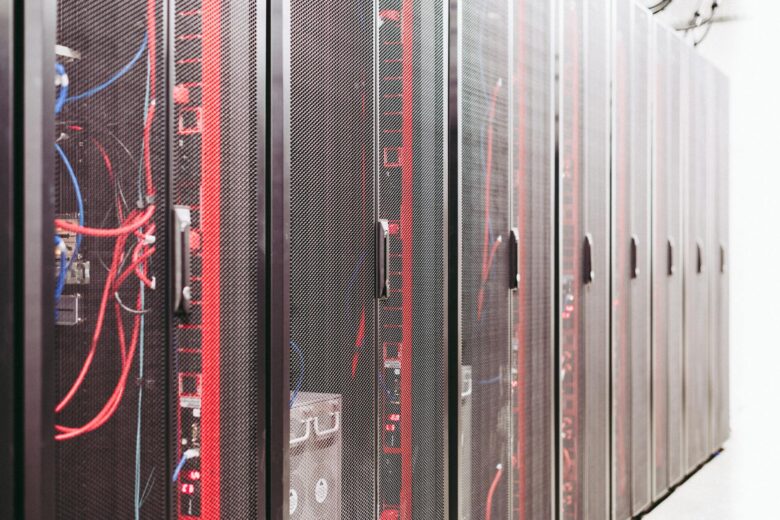
Cloud Computing Basics Every Engineer Should Revisit
Even experienced cloud engineers benefit from revisiting core computing concepts. This practical breakdown covers the foundational models, service categories, and architectural patterns that matter across AWS, Azure, GCP, and Kubernetes.