The most interesting AI product debate happening right now is not about model benchmarks. It is about proof. A recent Reddit thread on r/artificial made the point in blunt terms: AI tools that cannot show what they did, which tools they used, what data they touched, and where humans approved …
 Editorial team
The Trust Gap: Why AI Writes 80% of Code But Ships 0%
The 80/20 Problem Nobody Talks About Spend five minutes in any developer community and you’ll hear the same story: AI writes 80% of the code in minutes, and the remaining 20% eats the entire project timeline. GitHub and Google both report that 25–30% of their internal code is now AI-generated. …

After AI Agents: What Actually Comes Next for Users
After AI Agents: What Actually Comes Next for Users Everyone is building AI agents. OpenAI, Anthropic, Google — the race is on to ship tools that don’t just answer questions but take real actions across your workflows. Book flights, manage your inbox, deploy code, close deals. The pitch is seductive: …
Why Smarter AI Systems, Not Just Bigger Models, Could
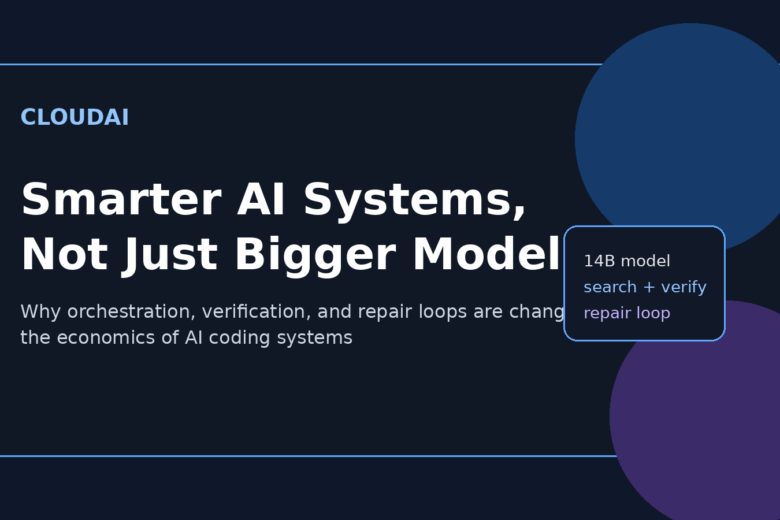
Why Smarter AI Systems, Not Just Bigger Models, Could Reshape the Economics of Coding For the last two years, the dominant AI story has been simple: bigger models, bigger datacenters, bigger bills. A Reddit thread about an open-source project called ATLAS points in a more interesting direction. The headline claim …
AI’s Next Bottleneck Is Memory, Not Bigger Models em 2025
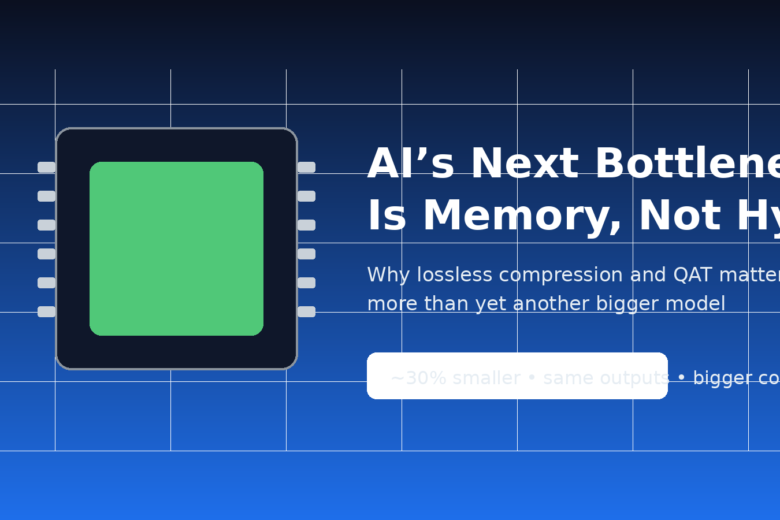
For the past two years, the AI industry has sold one dominant story: if you want better models, buy more GPUs, build larger clusters, and accept that serious AI belongs in big datacenters. A recent Reddit thread in r/LocalLLaMA landed because it challenged that assumption with something more practical than …

The End of Big Datacenters: How a College Student Proved
The End of Big Datacenters: How a College Student Proved Smaller AI Systems Can Outperform Giants Tech leaders bet everything on one idea: bigger is better. For years, the AI industry told us true artificial intelligence requires massive datacenters, astronomical costs, and locked-in cloud infrastructure. But what if that entire …

LeCun’s $1 Billion Bet: Are Energy-Based Models the Future of Safe AI?
LeCun’s $1 Billion Bet: Are Energy-Based Models the Future of Safe AI? When news broke that Yann LeCun’s new startup, Logical Intelligence, had raised a staggering $1 billion in seed funding, the tech world took notice. But the real story isn’t the eye-popping valuation—it’s the technical revolution LeCun is attempting …

The First Useful AI Agents Won’t Replace Teams. They’ll
Most of the public conversation about AI agents still swings between two bad extremes. On one side, the demos: book the trip, run the workflow, manage the business. On the other, the backlash: it is all vaporware, or it is coming straight for everyone’s job. The more interesting reality is …

OpenAI’s Rumored $20,000 Agents Aren’t the Story. The Real Story Is Who Will Actually Pay.
OpenAI’s Rumored $20,000 Agents Aren’t the Story. The Real Story Is Who Will Actually Pay. OpenAI’s rumored plan to charge as much as $20,000 a month for specialized agents sounded absurd to plenty of people on Reddit. Fair enough. On paper, it looks like AI pricing detached from reality. But …
OpenAI’s MCP Embrace Changes the AI Tooling Battle — But
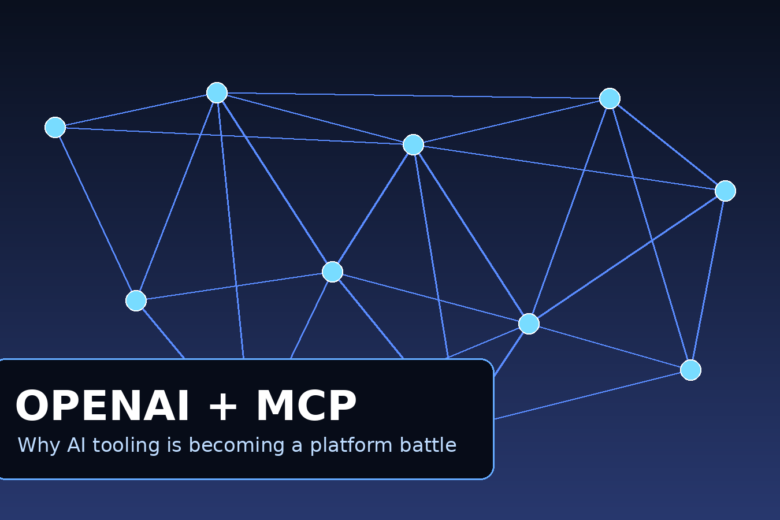
OpenAI’s MCP Embrace Changes the AI Tooling Battle — But It Won’t Make Agents Easy When a protocol starts as a niche developer convenience and then gets adopted by one of the biggest model vendors in the world, it stops being a curiosity. It becomes infrastructure. That is why a …
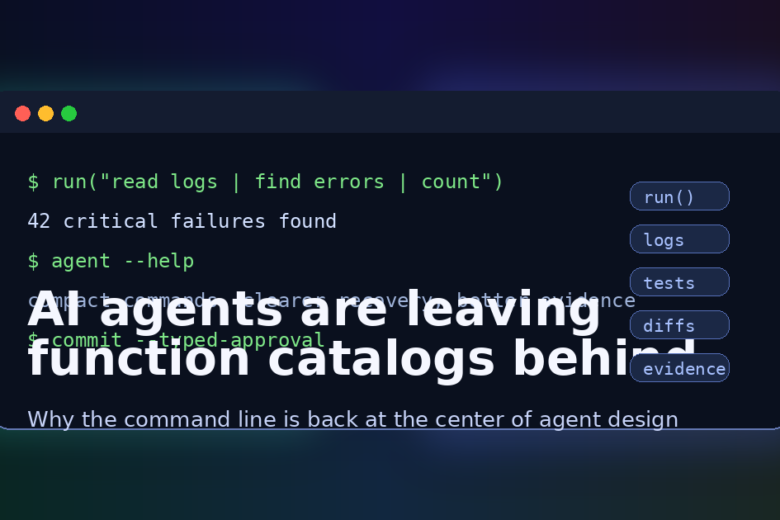
Why Serious AI Agents Are Moving Beyond Function Calling
A Reddit post from a former Manus backend lead hit a nerve because it described a failure mode many AI teams already recognize: function calling looks clean in demos, then starts to wobble when an agent has to juggle too many tools, too much state, and too many small decisions. …

Nvidia’s Nemotron License U-Turn: What the Removal of “Rug-Pull” Clauses Means for Open-Source AI
Nvidia’s Nemotron License U-Turn: What the Removal of “Rug-Pull” Clauses Means for Open-Source AI After community pushback and mounting competition from Chinese models, Nvidia quietly updated the license for its flagship open-weight model—removing provisions that made production deployment legally risky. — The Problem No One Wanted to Talk About When …