GPU autoscaling on Kubernetes breaks for LLM inference because the Horizontal Pod Autoscaler cannot see accelerators and the node layer takes minutes to add one. The fix is a four-layer stack — DCGM exporter, Prometheus Adapter, HPA, and KEDA over Karpenter — because better GPU allocation sharpens placement without touching …
Kubernetes AI Scheduling: A Migration Decision Guide
Use Dynamic Resource Allocation (DRA) for new Kubernetes AI scheduling work, but do not treat it as a complete platform replacement. DRA solves hardware selection and allocation; inference-aware routing, queue policy, cache locality, and workload orchestration still require separate design decisions. The safest migration is incremental: establish structured GPU claims …
Speculative Decoding: How DFlash Hits 6x LLM Speedup
Speculative decoding accelerates large language model inference by having a lightweight draft model propose multiple future tokens that the target model verifies in a single parallel forward pass, turning sequential autoregressive generation into a lossless draft-and-verify loop. The decisive shift in 2026 is DFlash, a block-diffusion drafter that emits an …
KV Cache Memory: Doubling LLM Inference Concurrency
The number of concurrent users a GPU handles during LLM inference is bounded by key-value cache memory, not by compute throughput. Autoregressive generation accumulates key-value state token by token, and that state must remain resident in GPU memory for the lifetime of each request. Every active request holds KV cache …
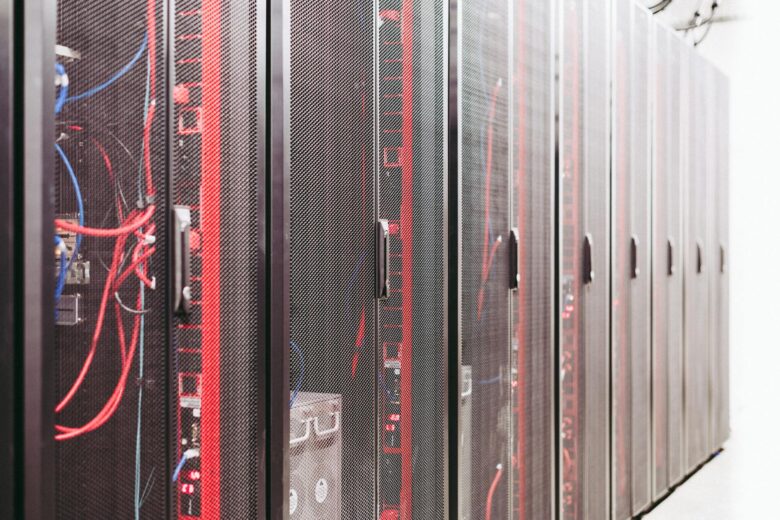
GCP vs Firebase: What Cloud Engineers Need to Know
Google Cloud Platform and Firebase are not competing products in the traditional sense — Firebase runs on top of GCP.
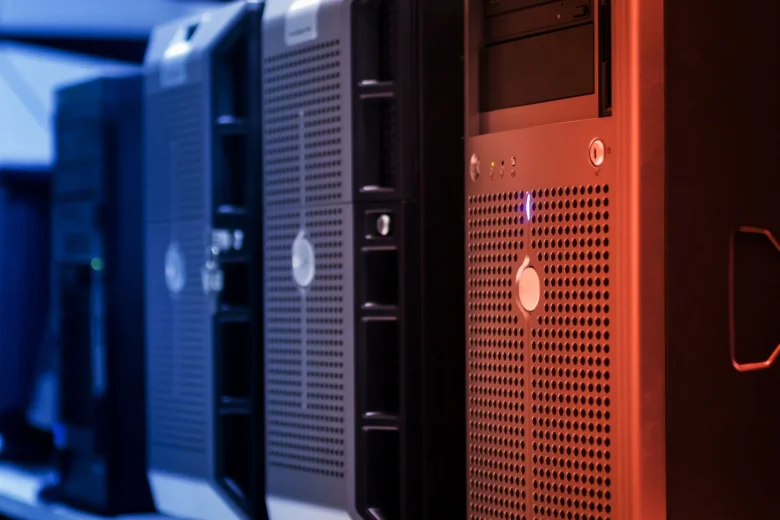
Kubernetes GPU Autoscaling: Why LLM Inference Stalls
GPU autoscaling on Kubernetes breaks for LLM inference because the Horizontal Pod Autoscaler cannot see accelerators and the node layer takes minutes to add one. The fix is a four-layer stack — DCGM exporter, Prometheus Adapter, HPA, and KEDA over Karpenter — because better GPU allocation sharpens placement without touching …
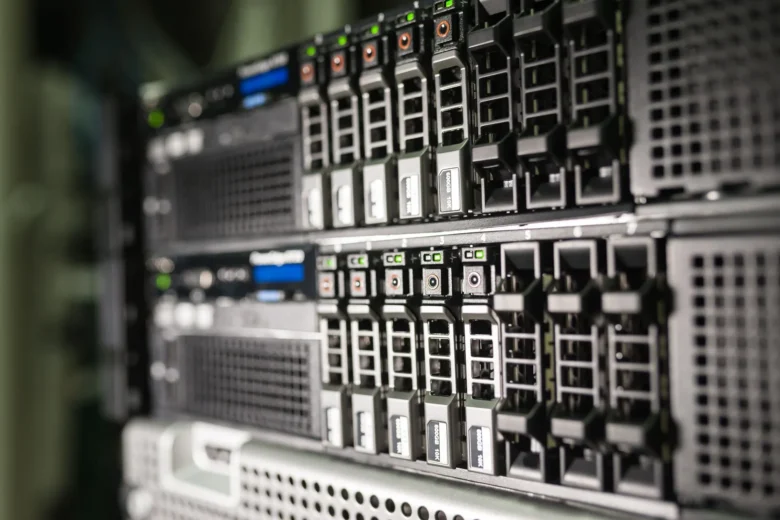
Attention-FFN Disaggregation: MoE Inference’s Next Step
Attention-FFN disaggregation (AFD) is the next architectural split beyond prefill-decode disaggregation for large mixture-of-experts (MoE) models: it separates the attention modules from the feed-forward expert modules onto distinct GPU pools inside the decode phase, fusing the extra activation transfer with the all-to-all dispatch that MoE expert parallelism already requires. The …
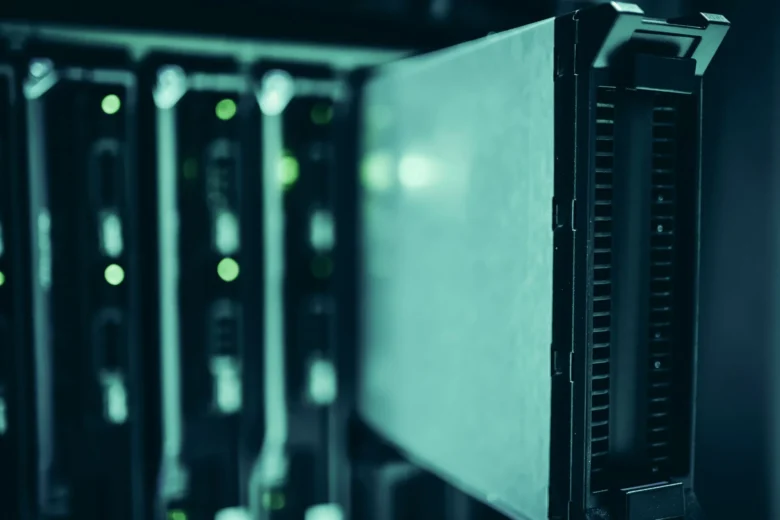
Tuning vLLM KV Cache and Preemption in Production Serving
vLLM’s PagedAttention and iteration-level continuous batching are the two mechanisms that take an autoregressive transformer from the 20–40% GPU utilization typical under static batching toward the 2–4× throughput the SOSP 2023 paper reports. Production value does not come from enabling them — both are on by default — but from …
Claude Code + Playwright: O Stack Definitivo para Web Scraping com IA em 2026
Claude Code + Playwright: O Stack Definitivo para Web Scraping com IA em 2026 Web scraping tradicional está morrendo.
FinOps for AI: Engineering Cost Out of Inference
Cloud FinOps has spent years building cost discipline around virtual machines, storage tiers, and reserved instances. Then AI inference arrived and rewrote the spending model. GPU-hour billing, token-based pricing, and model serving infrastructure follow cost patterns that traditional FinOps tooling was never built to track. The result is a widening …
AI Agent Reliability: SLOs That Survive Production
A production AI agent ran at 99.4% uptime for a quarter, returned HTTP 200s on every request, and was functionally broken for three weeks — the model had silently regressed when a cheaper variant was swapped in, and the pipeline kept emitting success codes for outputs no human could use. …
Gemma 4 vs DeepSeek V4: O Grande Confronto dos Modelos Open Source em 2026
Gemma 4 vs DeepSeek V4: O Grande Confronto dos Modelos Open Source em 2026 O ecossistema de modelos open source nunca esteve tão competitivo.