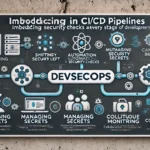
This comprehensive guide covers essential security practices for modern cloud environments. Understanding and implementing these controls is critical for protecting your infrastructure and maintaining compliance with security standards.
Security in the cloud requires a different approach than traditional on-premises environments. The shared responsibility model means you must understand what you are responsible for and implement appropriate controls at each layer.
Core Security Concepts
Building a secure cloud environment starts with understanding fundamental security principles. Defense in depth, least privilege, and zero trust are essential concepts that guide security architecture decisions.
# Security policy configuration
policy:
  name: security-baseline
  rules:
    - enforce_encryption: true
    - require_mfa: true
    - audit_logging: enabled
    - network_isolation: strict
Implementation Strategy
Implementing security controls requires a phased approach. Start with the most critical assets and highest-risk areas, then expand coverage systematically across your environment.
# Terraform security module
module "security" {
  source = "./modules/security"

  enable_encryption = true
  enable_logging    = true
  enable_monitoring = true

  allowed_ip_ranges = var.trusted_networks
}
Monitoring and Detection
Continuous monitoring is essential for detecting security incidents. Implement logging, alerting, and automated response capabilities to identify and respond to threats quickly.
# Alert configuration
alerts:
  - name: unauthorized-access
    condition: auth.failed > 10
    window: 5m
    severity: high
    actions:
      - notify: security-team
      - block: source_ip
Compliance Requirements
Many organizations must comply with regulatory requirements and industry standards. Understanding these requirements and mapping them to technical controls is essential for maintaining compliance.
Automation and Infrastructure as Code
Automate security controls using infrastructure as code. This ensures consistency, enables version control, and allows for rapid deployment of security configurations across environments.
# CI/CD security checks
stages:
  - security-scan
  - compliance-check
  - deploy

security-scan:
  script:
    - trivy config .
    - checkov -d .
Best Practices Summary
- Implement defense in depth
- Apply least privilege access
- Encrypt data at rest and in transit
- Enable comprehensive logging
- Automate security controls
- Conduct regular assessments
- Maintain incident response plans
- Train staff on security awareness
- Monitor continuously for threats
- Keep systems updated and patched
Conclusion
Security is an ongoing process that requires continuous improvement. By implementing these practices and maintaining vigilance, you can protect your cloud infrastructure from evolving threats while meeting compliance requirements.